


Coil Building & Accessories
-
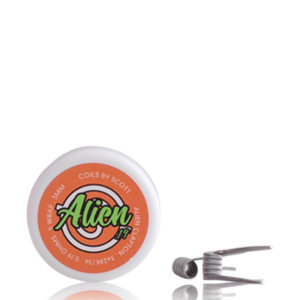
Handmade Coils By Scott Alien Claptons
£8.50 This product has multiple variants. The options may be chosen on the product page -

Handmade Coils By Scott Boro
£8.50 This product has multiple variants. The options may be chosen on the product page
Additional information
Coil building is the process of creating your own vape coils using materials such as resistance wire or mesh. Custom-built coils are commonly used with rebuildable atomisers such as RDAs and RTAs, allowing experienced adult vapers to customise aspects of their setup including resistance, ramp-up time and vapour production.
Coil building requires an understanding of resistance, Ohm's law and battery safety. Different wire types, gauges and coil designs can produce different results, while the number of wraps and the coil's diameter can affect its final resistance. Coils should always be checked for their resistance before use and installed securely in a compatible rebuildable atomiser. Always use suitable batteries and follow safe coil-building practices.
FAQs
More about coil building.
Coil building is the process of making your own vape coils using materials such as resistance wire or mesh. It is commonly used with rebuildable atomisers such as RDAs and RTAs, allowing experienced users to customise their vape setup.
What materials are used for building vape coils?
Common coil-building materials include resistance wires such as Kanthal, stainless steel and nichrome. Different wire types and gauges have different characteristics, so the choice depends on the desired coil design and compatible device.
What tools do I need for coil building?
Basic coil-building equipment can include resistance wire, coil-wrapping tools or a coiling rod, wire cutters, small pliers and an ohm reader or suitable regulated device for checking resistance. Proper tools make it easier to build and inspect coils safely.
Why is coil resistance important?
Coil resistance affects how much electrical current the coil draws and how it performs when used with a battery. It is important to check the finished coil's resistance and ensure it is suitable for the atomiser, device and battery being used. Understanding Ohm's law and battery safety is essential when building coils.